GET YOUR FREE ESTIMATE TODAY!
GET YOUR FREE ESTIMATE TODAY!
Woman-owned roofers for Colorado Springs homes and businesses — from the Old North End and Broadmoor to Briargate, Stetson Hills and Banning Lewis Ranch. Class A roof replacement, repair and hail claim help in the shadow of Pikes Peak, backed by 28+ years on Front Range roofs.
Years of Front Range roofing experience
Owens Corning Platinum Preferred & Malarkey Certified
Estimates across Colorado Springs
63 Google reviews
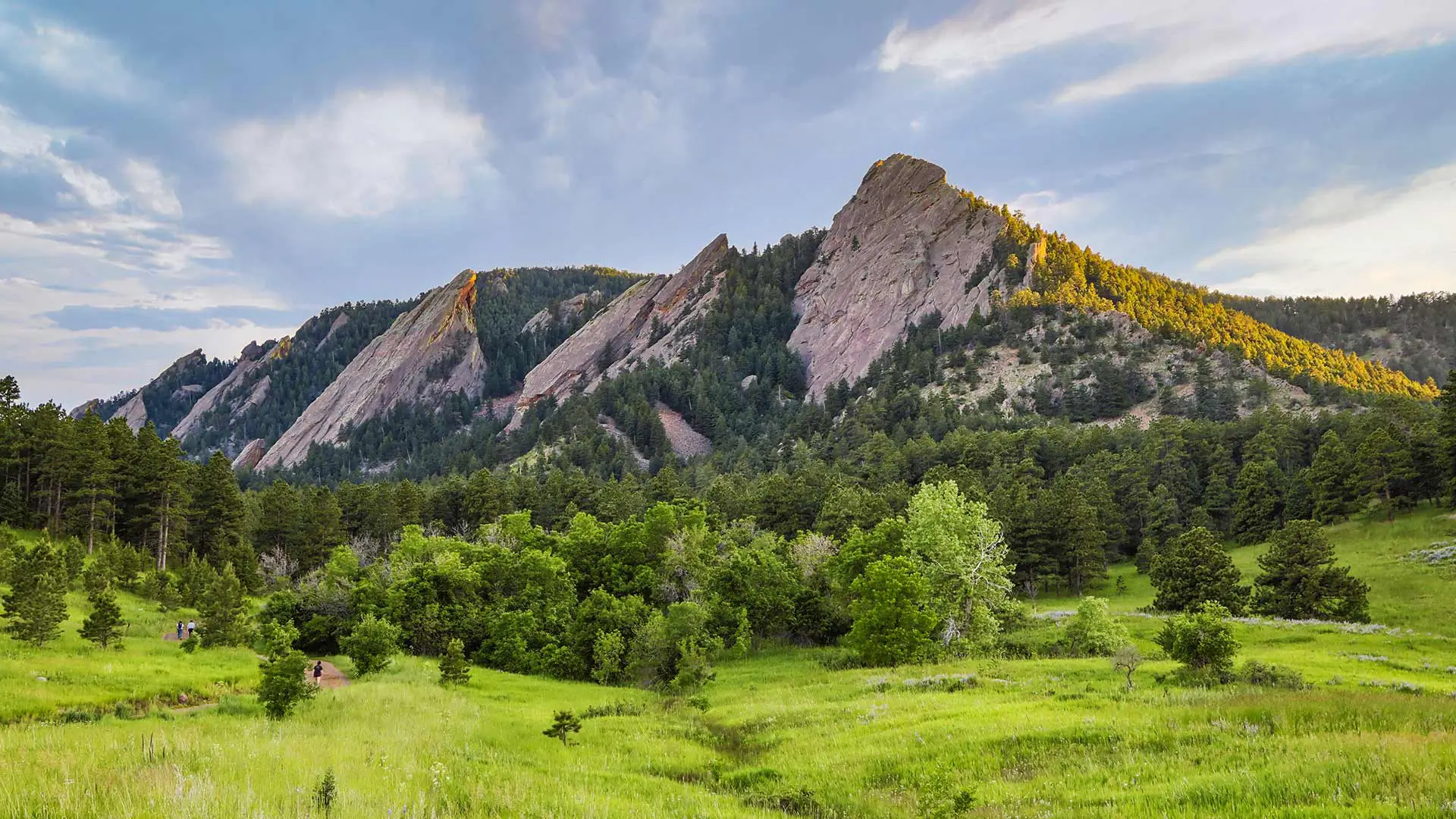
Colorado Springs sits at 6,035 feet at the foot of Pikes Peak, stretching nearly 200 square miles from the red rocks of Garden of the Gods and the foothill neighborhoods of Broadmoor and Mountain Shadows east across Fountain Creek to the open plains of Banning Lewis Ranch. It’s Colorado’s second-largest city — close to half a million people — and it’s still growing east, with plans for thousands more homes in Banning Lewis Ranch moving through city review in 2026.
The setting is spectacular and hard on roofs. The July 28, 2016 hailstorm alone caused $352.8 million in insured damage here, and the August 2018 storm dropped softball-size hail on the Pikes Peak region. The National Weather Service in Pueblo has included Colorado Springs in more than half of its High Wind Warnings since 2005, with gusts topping 90 mph at the airport and the Air Force Academy in December 2021. And the city has required Class A fire-rated roofing on permitted residential reroofs since 2003 — a rule that proved its worth when the Waldo Canyon Fire destroyed 346 homes in 2012.
Roof Masters of Colorado has worked Front Range roofs for more than 28 years, and Colorado Springs and Pueblo are the southern reach of our service area. Owner Monica Hoffmann — a former storm-damage insurance adjuster — brings that experience to every Colorado Springs estimate, from historic homes in the Old North End to newer builds in Briargate and Stetson Hills.

Our full residential and commercial roofing menu is available in Colorado Springs — from the historic Old North End and Old Colorado City to Rockrimmon, Northgate and the growing east side along Powers Boulevard. Permitted roofing here runs through the Pikes Peak Regional Building Department, and every roof we install is built to the city’s Class A standard.
Colorado Springs requires a Class A roof covering on every permitted residential reroof, and the city has banned wood-shake roofs on homes. PPRBD also requires a full tear-off of existing asphalt layers — no overlays. We install Class A-rated Malarkey and Owens Corning shingles, including Class 4 impact-resistant lines, plus metal, stone-coated steel and synthetic slate, and we never stage materials on site before the permit is issued.
High-wind season in Colorado Springs peaks in April and December, and that’s when we see lifted shingles, torn ridge caps and loose flashing — especially on homes closer to the foothills in Rockrimmon, Peregrine and Broadmoor Bluffs. Repairs over 100 square feet need a PPRBD permit; smaller fixes don’t, and we’ll tell you which one you need. Inspections are free and honest.
From downtown storefronts and the historic district on Colorado Avenue in Old Colorado City to retail and office along Academy Boulevard, Powers Boulevard and the Garden of the Gods Road corridor, Colorado Springs’ commercial roofs are mostly flat and low-slope. We install TPO and EPDM single-ply membranes, low-slope systems and metal roofing, and schedule around your business hours.
When a storm like the June 23, 2026 hailstorm hits downtown Colorado Springs, flat roofs take the impact head-on. We repair punctured membranes, split seams, flashing and penetrations, document storm damage for your insurer, and keep your tenants and inventory protected while we work.
At more than 6,000 feet, Colorado Springs roofs take intense high-altitude sun year-round. Acrylic, silicone and SPF/urethane coatings reflect that sun and seal aging flat roofs on commercial buildings and older homes, adding years of life without a full tear-off.
Downslope winds pour off the mountains west of town with gusts that have topped 90 mph at the Colorado Springs Airport and hit 100 mph at the Air Force Academy. We assess storm damage for free, tarp what can’t wait, and repair or replace to PPRBD and Class A standards — so a roof in Mountain Shadows or Northgate is ready for the next windstorm.
Colorado Springs has some of the costliest hail on record — $352.8 million in insured damage from the July 2016 storm and softball-size hail across the Pikes Peak region in August 2018. Monica spent years as a storm-damage insurance adjuster, so we document every impact, meet your adjuster on the roof and discuss the scope with your insurer. Colorado law (CRS 6-22) requires a written contract and bars any contractor from waiving your deductible, and we follow it.
Mountains on one side, plains on the other. Colorado Springs climbs from Fountain Creek and Monument Creek on the city’s floor to the foothill neighborhoods tucked against Pikes Peak — Broadmoor, Cheyenne Cañon, Mountain Shadows. The west side catches downslope wind and wildfire risk; the eastern plains around Stetson Hills and Banning Lewis Ranch catch the hail. Ice barrier is only required above 7,000 feet here, so we decide underlayment by your home’s actual elevation and exposure.
Getting around the Springs. We come south on I-25 — about 97 miles from our Boulder base — and reach every part of the city on its main arteries: Woodmen Road and Briargate Parkway into Briargate, Pine Creek and Northgate; Garden of the Gods Road and US-24 toward Rockrimmon, Mountain Shadows and Old Colorado City; Academy and Powers Boulevards through the east side; and Nevada Avenue and Cheyenne Boulevard down to Ivywild and the Broadmoor area.
Colorado Springs’ roofs. Colorado Springs runs from the 1885–1965 homes of the Old North End Historic District near Monument Valley Park to the neighborhoods rebuilt after the Waldo Canyon Fire in Mountain Shadows, to brand-new construction east of Powers Boulevard in Banning Lewis Ranch and the newly annexed Karman Line. Each era needs a different approach — preserving historic character, meeting today’s Class A rule, or working within new-build HOA standards.
Permits and the Pikes Peak Regional Building Department. Roofing in Colorado Springs runs through PPRBD, not the city: a permit for anything over 100 square feet, a full tear-off of old asphalt layers, drip edge at every eave and rake, and no materials on site before the permit is issued. The city requires Class A roofing on residential reroofs, and the Colorado Wildfire Resiliency Code — enforced since July 1, 2026 — applies Class A requirements, which can mean the entire roof covering, when 25% or more of a roof is replaced in mapped areas. PPRBD licenses roofing contractors separately, with no reciprocity from other building departments.
Monica Hoffmann worked as a storm-damage insurance adjuster before founding Roof Masters. Google reviewers describe her meeting the insurance inspector and working through the claim with their insurer — the help Colorado Springs homeowners need after a big hailstorm.
Colorado Springs has required Class A roofing on permitted residential reroofs since 2003 and bans wood-shake roofs on homes. We spec Class A assemblies on every Colorado Springs home and walk you through Class 4 impact-resistant options for hail.
From high-wind days in the foothill neighborhoods to hail on the eastern plains, Colorado Springs roofs face both extremes. We build for where your home actually sits, from Rockrimmon to Stetson Hills.
Our tagline is “Honesty and Integrity ALWAYS Come First,” and reviewers back it up: clear pricing, no pressure, and a straight answer when a repair will do.
Every installation carries our 5-year workmanship warranty on top of manufacturer coverage. As an Owens Corning Platinum Preferred and Malarkey Certified contractor, we can offer top-tier manufacturer warranties.
As a roofing company serving Colorado Springs, CO, we cover the city from the Old North End, Old Colorado City and Broadmoor to Rockrimmon, Briargate, Northgate, Stetson Hills and Banning Lewis Ranch. We also serve:
It depends on the size and pitch of your roof, how many layers have to come off — PPRBD requires a full tear-off — any decking repairs, and the material you choose. Every residential reroof in the city must be Class A rated; Class 4 impact-resistant shingles, metal and stone-coated steel cost more but stand up better to Colorado Springs hail. If storm damage is involved, insurance may cover much of the cost. Every estimate we give is free and itemized.
Yes. The Pikes Peak Regional Building Department requires a permit for any roof repair or replacement over 100 square feet, and materials can’t be delivered to the site until the permit is issued. PPRBD advises homeowners to make sure their roofer is licensed with PPRBD.
Yes, for homes. Colorado Springs requires a minimum Class A roof covering on one- and two-family homes and has required Class A on permitted residential reroofs since 2003; wood-shake roofs are banned on homes. Since July 1, 2026, the Colorado Wildfire Resiliency Code also applies Class A requirements when 25% or more of a roof is replaced in mapped wildfire areas — and that can mean bringing the entire roof covering up to Class A, not just the damaged section. If you live in Mountain Shadows, Peregrine or another west-side neighborhood, we’ll make sure your new roof meets every requirement.
Yes. The north and east sides of Colorado Springs — Briargate, Northgate, Stetson Hills, Springs Ranch and Banning Lewis Ranch — sit out on open ground where hail hits hard. We inspect for free, photograph every impact, meet your adjuster and handle the PPRBD permit for the repair or replacement.
Yes. Roof inspections and estimates are always free. After a windstorm or hailstorm we’ll check shingles, flashing, vents, gutters and decking, explain what we find in plain language, and tell you honestly whether you need a repair, a replacement or nothing at all.
Often, if the storm caused the damage — but every policy is different. Because Monica is a former insurance adjuster, we document the damage, meet your adjuster and discuss the repair scope with your insurer. Colorado law requires a written roofing contract you can cancel within 72 hours of signing — or within 72 hours of a claim denial — and prohibits any contractor from paying or waiving your deductible.
Whether your home is a historic house in the Old North End, a foothill home in Rockrimmon or a new build out past Powers Boulevard, Roof Masters of Colorado will inspect your roof, give you an honest itemized quote and stand behind the work. Estimates are always free in Colorado Springs.