
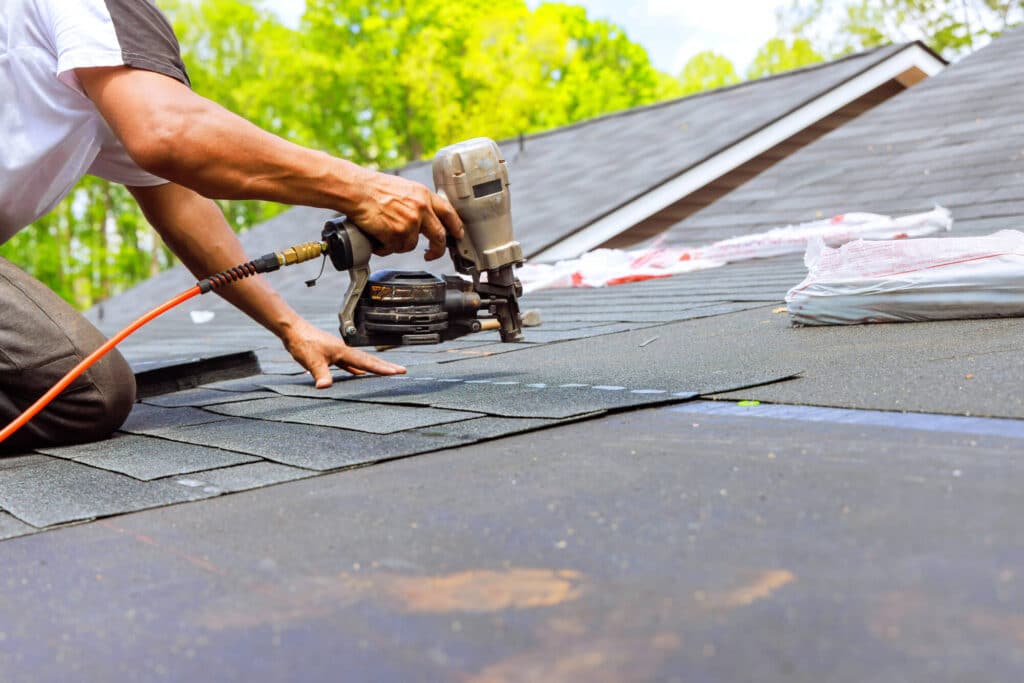
If you’re getting quotes for a new roof in Boulder, you’ve probably noticed the numbers all over the place. One contractor says $9,000. Another says $22,000. Here’s the truth: roof installation cost depends mostly on three things — your roof’s size and pitch, the material you choose, and how many layers of old roofing need to come off first. Get those three answers, and you can predict your price within a few thousand dollars before anyone climbs a ladder.
At Roof Masters of Colorado, we’ve been installing roofs in Boulder since 1996. We’ve seen homeowners overpay because they didn’t know what to ask, and we’ve seen others save real money by understanding their roof before they called anyone. This guide breaks down exactly what drives your price, using real numbers from jobs we’ve done right here on the Front Range.
Why Roof Installation Costs Vary So Much
Did You Know? A 2,000 square foot roof and a 2,000 square foot floor plan aren’t the same thing. Roof pitch and overhangs can add 20-40% more actual roofing surface than your home’s footprint suggests.
The biggest myth in roofing is that price scales simply with house size. It doesn’t. Two homes with identical square footage can have roofing costs that differ by thousands of dollars.
Roof Size and Pitch
A steep roof takes longer to work on safely. Crews move slower, use more safety gear, and can’t stage materials as easily. A walkable, low-slope roof installs faster and cheaper than a steep Victorian-style roof of the same square footage.
Number of Layers to Remove
Many older Boulder homes have two or even three layers of shingles stacked on top of each other from past patch jobs. Each layer adds labor time and disposal cost. We always check this during a free inspection, because it’s one of the biggest hidden cost factors homeowners never see coming.
Roofing Material Choice
This is where the price range really opens up. A basic three-tab asphalt shingle costs far less than a synthetic slate or standing seam metal roof. We’ll break down material costs in detail below.
Pro Tip: Ask any contractor for the cost per square (100 square feet) broken into material and labor separately. This makes it much easier to compare quotes apples-to-apples.
What Different Roofing Materials Actually Cost
Material choice is the single biggest lever you control. Here’s how the main options compare for a typical Boulder home.
| Material | Typical Lifespan | Relative Cost | Best For |
| Dimensional Asphalt Shingles | 20-30 years | $ | Most homeowners wanting value and durability |
| Designer Asphalt Shingles | 25-30 years | $$ | Homeowners wanting a premium look on a shingle budget |
| Standing Seam Metal | 40-70 years | $$$ | Long-term owners who want to install once |
| Synthetic Slate/Shake | 40-50 years | $$$$ | Historic homes or distinctive architectural styles |
We install all four of these systems, along with single-ply flat roofing for additions and outbuildings. Most Boulder homeowners we talk to land on dimensional asphalt shingles, since the cost-to-lifespan ratio fits a typical 15-20 year ownership window.
What’s the cheapest roofing material that still holds up in Colorado weather? Dimensional asphalt shingles from manufacturers rated for high wind and impact resistance offer the best balance of low upfront cost and real durability against Boulder’s hail and wind.
The Labor Side of Your Roof Installation Quote
Material only tells half the story. Labor in the Front Range market reflects a few local realities.
Permit and Inspection Requirements
Boulder County requires permits for most roof replacements, and inspections add a small amount of time to the schedule. A contractor who skips this step might quote lower, but you’re left holding the risk if something goes wrong later.
Crew Experience and Crew Size
Larger, more experienced crews finish faster, which can actually lower your total labor cost even if their hourly rate looks higher on paper. A slow crew working a multi-day job costs you more in scheduling headaches even if the line-item number looks smaller.
Tear-Off and Disposal
Hauling away old shingles, underlayment, and flashing isn’t free. Dumpster rental and landfill fees get baked into every honest quote. If a bid seems unusually low, ask directly how tear-off and disposal are handled.
Did You Know? Colorado’s hail season runs roughly March through July, and contractors get noticeably busier during these months. Scheduling your installation outside peak season can sometimes mean better availability and faster turnaround.
A Real Example From a Boulder Roof We Installed
Here’s where the numbers get concrete. Last season, we replaced a roof on a 2,400 square foot home in Boulder with a moderate pitch and a single existing layer of asphalt shingles. The homeowner chose dimensional asphalt shingles rated for high wind resistance.
The job came in within the range we quoted during the free inspection, with no surprise change orders, because we’d already accounted for the deck condition during our initial walk-through. That’s the difference a thorough inspection makes: when we check the decking, flashing, and ventilation upfront, the number we give you during your free roof installation estimate is the number you pay, not a starting point that grows once the tear-off begins.
We’ve found that homes needing deck repairs after tear-off see the biggest jump from initial quote to final bill industry-wide. Asking your contractor how they handle surprise decking issues, before you sign anything, tells you a lot about how trustworthy that quote really is.
Financing and Payment Options
A new roof is a major expense, and most homeowners don’t pay cash upfront. Financing options can spread the cost over time, which makes higher-quality materials more reachable for many budgets.
Ask your contractor directly about financing terms, interest rates, and whether there’s a penalty for paying off early. Some Boulder roofing companies, including ours, offer financing programs designed specifically for roof installation projects.
Get a Real Number for Your Roof
Roof installation cost in Boulder comes down to three things: your roof’s size and pitch, the material you pick, and how many old layers need to come off. Once you know those three answers, the wide price ranges you see online start to make a lot more sense.
The only way to get a number you can actually trust is a real inspection of your specific roof. Ready for an accurate quote? Request your free estimate and we’ll walk your roof, explain every cost factor, and give you a number that won’t move once the crew shows up.
Frequently Asked Questions
How much does a new roof cost in Boulder, CO?
Most Boulder homes see costs in the $9,500 to $24,000 range, depending on size, material, and roof complexity. Our detailed cost breakdown guide covers specific price ranges by material type.
Is metal roofing worth the extra cost in Colorado?
For homeowners planning to stay long-term, yes. Standing seam metal lasts 40-70 years versus 20-30 for asphalt, often making the lifetime cost per year lower despite a higher upfront price.
How long does a typical roof installation take?
Most residential installations in Boulder take one to three days, depending on roof size, pitch, and weather. Multi-layer tear-offs or complex roof lines can add extra time.
Do I need a permit to replace my roof in Boulder?
Yes, Boulder County generally requires a permit for roof replacement. A licensed contractor handles this as part of the job and schedules the required inspection.
Will my homeowners insurance cover roof replacement costs?
It depends on the cause of damage. Wear and age typically aren’t covered, but storm or hail damage often is. Check your policy details or ask your contractor to help document damage for a claim.