
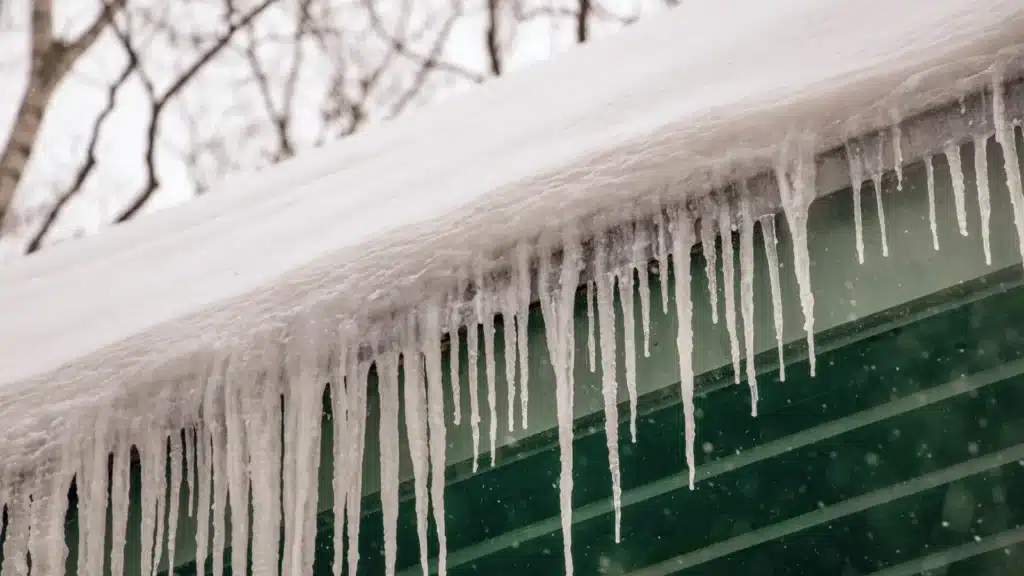
A small roof leak can become a cold-weather mess once snow reaches Boulder. Check shingles, flashing, vents, valleys, gutters, and the attic before the first hard freeze. A leak does not always mean you need a new roof. The right roof leak repair may stop the damage and protect the roof for years.
Check the Roof’s Most Common Leak Points
Water can enter through one small gap, then travel along wood or insulation before it stains a ceiling. The wet spot indoors may not sit under the opening outdoors. A full check helps trace the path instead of patching the wrong place.
Flashing Around Roof Openings
Flashing seals the edges around chimneys, skylights, walls, and roof joints. Loose metal, cracked sealant, or rust can let rain and melting snow slip below the shingles. The U.S. Department of Energy lists roof and flashing leaks among common sources of attic moisture in its Guide to a Durable Attic.
Did You Know? Wind-driven rain can enter around flashing even when the shingles nearby look fine. A roofer may need to lift nearby material to see the full problem.
Cracked, Lifted, or Missing Shingles
Colorado sun, wind, and hail wear down shingles. Look for bare spots, curled edges, cracks, or shingles that have moved. The Insurance Institute for Business & Home Safety recommends checking shingles and roof edges as part of thunderstorm-ready home care.
Vents, Boots, and Valleys
Rubber boots around plumbing vents can split with age. Metal vents may loosen at fasteners. Valleys carry a lot of water, so leaves, damaged material, or poor sealing can cause trouble fast. These areas deserve close attention before snow covers them.
See How Winter Changes a Small Leak
Fall rain may reveal a leak, but winter adds freeze-and-thaw cycles, snow loads, and slow drainage. Water can enter in a new place or make an old weak spot worse.
Snowmelt Finds Small Openings
Snow can sit on a roof for days. When the sun warms one slope, meltwater runs toward colder edges and shaded areas. A tiny gap near flashing or a vent may stay wet longer than it would during a quick summer storm.
Pro Tip: After a fall storm, check the attic with a flashlight. Look for damp wood, dark stains, wet insulation, or a musty smell. Do not walk on rafters or wet insulation.
Ice Dams Can Push Water Uphill
Warm attic air can melt snow higher on the roof. The water may freeze again near a cold eave and form an ice dam. More meltwater can back up behind it and seep under roof material. The Department of Energy explains that air sealing, insulation, and ventilation all play a role in lowering this risk.
Gutters and Downspouts Need a Clear Path
Leaves and grit can block drainage at the roof edge. IBHS warns that clogged gutters can lead to water damage at the roof deck and fascia. Clean gutters also give snowmelt a path away from the home.
Did You Know? NOAA’s Boulder snow records show an average first measurable snow date of October 17. The earliest in the record since 1948 was September 12. That makes September a useful time to find weak spots before snow hides them.
Know What to Do When You Find Water
First, protect people and the inside of the home. Then document what you see and call for help. Roof work in wet, windy, icy, or steep conditions is dangerous.
Start With Safe Indoor Steps
Move furniture and electronics away from the drip. Place a container below the water. If a ceiling is sagging, keep people out of the area. Take clear photos of stains, drips, and damaged items for your records.
Use a Tarp Only as a Short-Term Measure
A tarp may limit more water entry while you wait for dry weather and a repair. It is not a permanent roof leak repair. Do not climb onto a wet or icy roof. A trained roofer can choose a safer way to cover the area.
Pro Tip: Mark the edge of a ceiling stain with a pencil and add the date. If the stain grows, you will have a simple record of how fast the problem is moving.
Schedule a Full Leak Inspection
A good inspection looks beyond the stain. It checks the roof surface, flashing, penetrations, attic, insulation, and signs of trapped moisture. Roof Masters offers residential roof repair in Boulder and can trace the likely entry point before recommending the next step.
Choose Repair or Replacement Based on the Roof
One leak does not automatically mean the whole roof is done. The best choice depends on the cause, the amount of damage, the roof’s age, and whether the same trouble keeps returning.
When a Focused Repair May Work
A focused repair may fit when damage is limited to a vent boot, a short piece of flashing, a few shingles, or another small area. The surrounding roof material and deck still need to be in sound shape.
When Wider Work May Make More Sense
Wider work may be needed when leaks appear in several areas, the deck has broad damage, materials are near the end of their service life, or old repairs keep failing. Ask for photos and a plain explanation of each option.
Review the Colorado roof maintenance guide to learn how hail, ice dams, and age affect that choice. Roof Masters also answers common repair questions on its roofing FAQ page.
What a Clear Recommendation Should Include
The roofer should name the likely entry point, show the damaged parts, explain the proposed work, and tell you what the repair will not fix. You should also know whether hidden deck damage could change the scope after materials come off.
Pro Tip: Ask for repair and replacement options when both are reasonable. Compare the work covered, material, warranty, and likely service life—not just the price.
Roof Leak Repair Questions From Colorado Homeowners
Can I wait until spring to repair a small roof leak?
Waiting can let water reach insulation, ceilings, or roof decking during winter. A roofer can tell you whether the area needs a prompt permanent repair or a short-term weather cover until safe working conditions return.
Does one ceiling stain mean I need a new roof?
No. Roof Masters states that one leak does not always mean full replacement. A repair may be enough when the source is limited and the rest of the roof is sound. An inspection should guide the choice.
How can I tell whether an ice dam caused the leak?
Ice-dam leaks often appear near exterior walls or eaves after snow begins to melt. The roof edge, attic air leaks, insulation, and ventilation should all be checked because the indoor stain alone cannot prove the cause.
Should I climb onto the roof to find the leak?
Do not climb onto a wet, snowy, icy, or steep roof. You can check the attic from a safe walkway and photograph indoor damage. Leave roof-surface testing and winter tarping to trained crews with proper safety gear.
Fix the Weak Spot Before the Snow Stays
Get the Cause, Not Just a Patch
September gives Boulder homeowners a useful window to find roof trouble before winter weather limits safe repair days. Check the roof’s main weak points, clear drainage paths, and watch the attic after rain. If you find water, protect the room, document the damage, and arrange an inspection.
Schedule a Roof Check
Roof Masters of Colorado can trace the leak and explain whether a focused repair or broader work fits the roof. You will get a recommendation based on the condition found—not the idea that every leak calls for replacement. Contact Roof Masters of Colorado or call (720) 536-5585 to schedule a roof check before winter.