
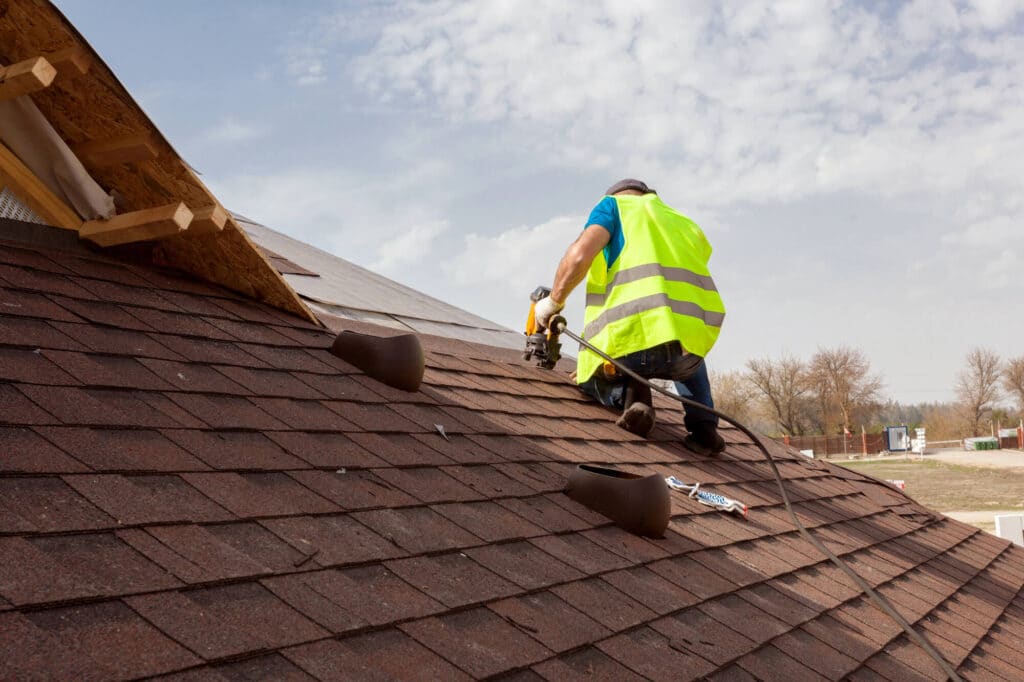
A new roof in Colorado typically costs between $9,500 and $24,000 for most homes, with the average Boulder-area homeowner spending around $18,500 depending on home size, materials, and roof complexity. Here’s exactly what drives that number—and how to budget smart.
If you’ve been putting off getting a roof estimate because you’re afraid of sticker shock, you’re not alone. Roofing is one of the biggest home investments you’ll make. And in Colorado, the numbers look a little different than the national averages you find online. Altitude, hail, and Front Range weather patterns all push costs higher than in most states—but knowing what to expect puts you in a much stronger position before you ever call a contractor.
Why Colorado Roofing Costs More Than the National Average
Colorado isn’t an easy place to be a roof. The combination of high-altitude UV exposure, freeze-thaw cycles, and relentless hail along the Front Range creates wear patterns that shorten a roof’s lifespan significantly. Roofing labor in Colorado typically runs between $2.00 and $4.50 per square foot—higher than neighboring states like Utah, New Mexico, and Arizona—largely because of snow load requirements, steep-pitch roofs, and the added expense of local permits and debris disposal.
That translates to real dollars. The average roof replacement cost for a typical Colorado home falls between $12,000 and $20,000, though accurate pricing requires measuring the actual roof and verifying installation scope rather than relying on online averages.
Did You Know? Hail and high winds from Front Range thunderstorms account for the bulk of roof replacements in Colorado. Snow and ice follow as the next biggest culprits. That’s why impact-resistant materials matter so much here.
Breaking Down Colorado Roof Replacement Costs by Material
The single biggest variable in your roofing estimate is the material you choose. Here’s how the most common options compare for Front Range homeowners:
Asphalt Shingles remain the go-to choice for most Colorado homes. In 2026, homeowners can expect asphalt shingle installation costs to fall between $4.50 and $7.00 per square foot, including labor and materials. For a 2,000 square foot home, that puts a full replacement somewhere between $11,900 and $18,900 when you factor in tear-off, underlayment, and cleanup. Standard architectural shingles last 20–25 years under ideal conditions, though Colorado’s climate often trims that to 15–20 years.
At Roof Masters of Colorado, we install both GAF Class 4 impact-resistant shingles and Owens Corning shingles—two of the most trusted names in roofing, both engineered to handle the hail, wind, and UV punishment that Colorado dishes out year-round. If you’re replacing a storm-damaged roof, the impact-resistance rating matters as much as the price per square. Visit our residential roof installation page to see which product fits your home and budget.
Metal Roofing costs more upfront but holds up significantly better over time. Metal roofing runs between $9.00 and $16.00 per square foot installed. For a home in the 2,000 square foot range, expect to invest between $20,000 and $35,000+. The payoff? Metal roofs regularly last 40–60 years and handle hail, snow, and UV far better than asphalt.
Tile and Concrete Roofing falls in a similar price range to metal, running $12 to $18 per square foot. Tile is heavier, which can require additional structural support, and it’s less common on the Front Range than in warmer climates.
Pro Tip: Many insurance companies offer premium discounts for Class 4-rated impact-resistant roofs, which can help offset the higher upfront cost of premium materials over time. Ask your insurer before you decide on a shingle grade.
The Other Factors That Affect Your Final Price
Material is just one piece. Several other factors will push your estimate up or down:
Roof size and pitch. Larger roofs obviously cost more. But pitch matters just as much as size. Steep roofs require more safety equipment, slower labor, and specialized installation—all of which add to the total. A steep 2,000 square foot roof can cost noticeably more than a low-slope roof of the same footprint.
Number of layers to remove. If your existing roof has two or more layers of shingles, contractors must remove them before installing the new system. Disposal fees alone can range from $500 to $1,000 depending on roof size and materials being removed.
Permit and inspection fees. In Colorado, inspection fees typically run between $100 and $300. Each municipality sets its own permit requirements, and Boulder County has specific code requirements that contractors must meet.
Decking condition. If water damage or rot has compromised the roof decking underneath, repairs add to the project cost. A reputable contractor will identify this during inspection—not as a surprise after the job starts.
Timing. Peak summer and fall schedules tend to be more expensive, while spring and winter projects may qualify for off-season discounts. Check our areas we serve page to confirm we cover your location and to get in touch about current availability.
What a Roof Repair Costs vs. Full Replacement
Not every roofing problem requires a complete tear-off and reinstall. Minor issues can often be addressed for far less. For Colorado homeowners, roof repair prices generally range from $350 to $900 for minor repairs, up to $3,000 or more for significant structural or storm-related damage.
The question of repair vs. replace comes down to age and scope. If your roof is under 10 years old and damage is localized, a targeted repair usually makes sense. If it’s 20+ years old or damage covers more than 30% of the surface, replacement is typically the better long-term value. Our residential roof repair team can help you make that call with a free, no-pressure inspection.
Did You Know? A roof that passes a visual inspection from the ground may still have failing underlayment or damaged decking underneath. That’s why a hands-on professional inspection catches issues that homeowners simply can’t see on their own.
Insurance and Storm Damage: What Colorado Homeowners Should Know
If hail or wind damaged your roof, your homeowner’s insurance may cover most or all of the replacement cost—minus your deductible. Most insurance policies cover sudden, unexpected events such as hailstorms, heavy winds, or fallen trees, but exclude age-related wear or neglect.
Filing a claim the right way matters. Document the damage with photos immediately after a storm, and get a professional inspection before your insurance adjuster visits. Roof Masters of Colorado handles storm damage restoration and works alongside homeowners throughout the claims process—helping ensure the insurance company’s estimate actually reflects the full scope of damage.
Pro Tip: File your claim quickly. Many insurers have strict filing deadlines, and delays can result in partial coverage or outright denial. Don’t wait until the next storm season to address damage from the last one.
Financing Options Make It More Manageable
A $15,000–$20,000 roofing project doesn’t have to come out of pocket all at once. Roof Masters of Colorado offers flexible financing options for qualified homeowners, so you can protect your home now and manage the cost over time. This is especially helpful when you’re facing a replacement on a tight timeline after storm damage.
Getting an Accurate Estimate
Online calculators give you a ballpark—but they can’t account for your specific roof pitch, decking condition, ventilation requirements, or local permit fees. The only way to know what your roof will actually cost is to have a qualified contractor measure and inspect it in person.
At Roof Masters of Colorado, every estimate is free, detailed, and pressure-free. We’ve served Boulder and the Front Range since our founding as a woman-owned business, earning an A+ BBB rating and recognition as one of Boulder’s best roofing contractors multiple years running. You can see what your neighbors say about us on our testimonials page.
Ready to know exactly what your roof will cost? Call us at (720) 536-5585 or schedule your free estimate online. We’ll walk you through every line of the quote—no surprises, no pressure.
Frequently Asked Questions
How much does a roof replacement cost in Boulder, CO? Most Boulder-area homeowners pay between $12,000 and $22,000 for a full roof replacement, depending on home size, materials, and roof complexity. Impact-resistant asphalt shingles are the most common choice, while metal roofing costs more but lasts significantly longer in Colorado’s demanding climate.
Does homeowner’s insurance cover roof replacement in Colorado? Yes, if the damage was caused by a sudden event like hail or wind, your homeowner’s insurance will typically cover roof replacement minus your deductible. Damage from normal wear and tear or neglect is generally excluded, so timing your claim correctly and documenting damage thoroughly is important.
What is the best roofing material for Colorado hail? Class 4 impact-resistant shingles—such as those from GAF and Owens Corning—are the top recommendation for Front Range homeowners, as they’re engineered to withstand large hail and can qualify you for insurance premium discounts. Metal roofing is also an excellent long-term choice, offering superior hail and snow resistance along with a lifespan of 40–60 years.
How long does a roof replacement take in Boulder? Most residential roof replacements in Boulder take one to three days, depending on home size, roof complexity, and weather conditions. Permit processing can add a few days to the timeline, but a well-organized contractor will handle that paperwork for you.
How do I know if I need a roof repair or full replacement? If your roof is under 10 years old and damage is limited to a small area, a repair is usually the right call. If your roof is more than 20 years old, has widespread damage, or failed a professional inspection, a full replacement typically offers better long-term value and avoids the cycle of repeated repairs.